
Choosing a new office is about more than just location. The type of workspace you choose can have a significant impact on your costs, flexibility, employee experience, and ability to grow.
With so many options available, it’s easy to feel like you’re comparing apples and oranges. The three most common choices are serviced offices, managed space, and traditional leasing, each offer distinct advantages depending on your business’s needs.
Here’s what sets them apart.
What Is a Serviced Office?
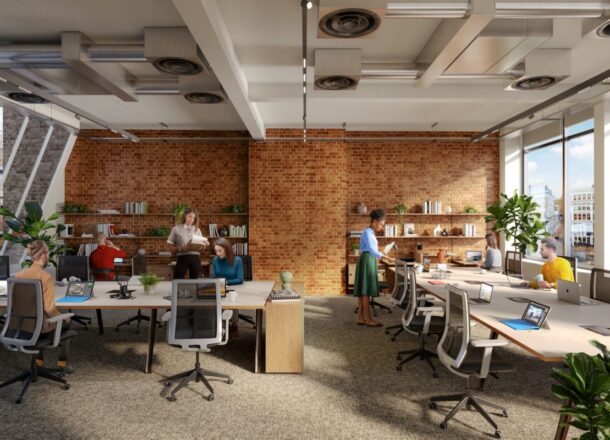
A serviced office is a fully furnished, ready-to-use workspace operated by a flexible office provider. Everything is set up before you arrive, so you can move in quickly and start working almost immediately.
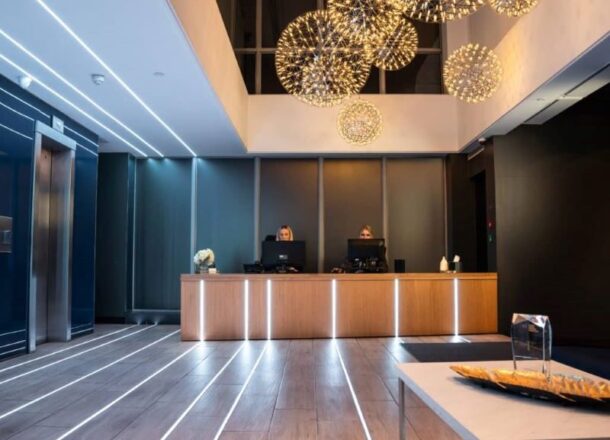
Your monthly fee typically includes business rates, service charges, furniture, high-speed internet, utilities, cleaning, reception services and day-to-day building management. Rather than juggling multiple suppliers and contracts, you pay one predictable monthly bill.
Serviced offices are ideal for startups, small businesses, project teams, or organisations entering a new market. They offer maximum flexibility, with contracts that can range from just a few months to a couple of years, making it easy to scale your workspace as your team changes.
The trade-off is that, while convenient, serviced offices generally cost more per desk than longer-term solutions and offer less opportunity to customise the space with your own branding or layout.
What Is Managed Space?
Managed space bridges the gap between serviced offices and a traditional lease.
Instead of moving into a standard, shared office, a provider secures and designs a workspace specifically for your business. The office is customised to reflect your brand, working style, and operational needs before you move in. Once you’re up and running, the provider continues to manage the facilities, allowing you to focus on your business rather than the building.
This option gives companies the feel of a headquarters without the administrative burden that comes with managing an office independently.
Managed space is particularly popular with growing businesses that have outgrown serviced offices but aren’t ready to commit to the complexity of a traditional lease. Contracts are typically longer, often between two and five years but still provide more flexibility than conventional leasing.
What Is a Traditional Office Lease?
A traditional lease offers the greatest level of control but also the greatest level of responsibility.
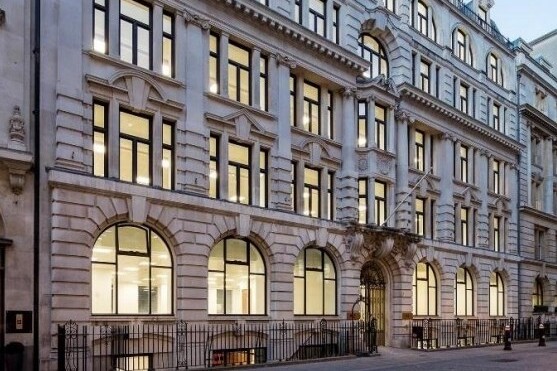
In most cases, you’re leasing an empty or partially fitted office directly from a landlord. From there, it’s your responsibility to design and fit out the space, purchase furniture, arrange internet and utilities, organise cleaning and maintenance, and manage the office on an ongoing basis.
Although this requires a significant upfront investment and longer lease commitments, it often delivers the lowest occupancy cost over the long term. For established organisations with stable headcounts and long-term property strategies, a traditional lease can provide excellent value and complete freedom over the workspace.
However, if your business grows, contracts, or relocates unexpectedly, traditional leases can be far less flexible than alternative solutions.
A Simple Way to Think About It
If you’re still unsure, imagine these three options as different ways of finding somewhere to live.
A serviced office is like staying in a hotel. Everything is ready for you, someone else takes care of the maintenance, and you can leave with relatively little notice.
Managed space is more like renting a home that’s been designed around your needs, while someone else continues to look after the property.
A traditional lease is like buying an empty house. You have complete control over how it’s designed and maintained, but every decision and every responsibility is yours.
Which Option Is Right for Your Business?
There’s no one-size-fits-all answer. The right choice depends on your priorities.
If speed, flexibility, and simplicity matter most, a serviced office is often the best fit.
If you want a branded, private workspace without the headache of managing facilities, managed space offers an excellent balance of flexibility and control.
If you’re planning to stay in one location for many years and want to minimise long-term occupancy costs, a traditional lease may provide the greatest value.
Many businesses naturally progress through these options as they grow starting in a serviced office, moving into managed space as their team expands, and eventually taking on a traditional lease when their long-term requirements become more predictable.
The good news is that today’s office market offers more choice than ever before. By understanding the differences between these workspace models, you can choose an office that supports not just where your business is today, but where it’s heading tomorrow.